Showing posts with label health. Show all posts

The benefits of melon on health

 
        Melon is a big fruit, not just size. It belongs to the family Cucurbitaceae, such as watermelon, squash and zucchini. It grows in sandy soils, requires a lot of water and is considered the summer fruit par excellence. The benefits of eating melon are important. This filiation does not prevent it from being sweet, not very caloric and especially full of virtues for our health. The melon can weigh up to a kilo, is usually yellowish in color and round in shape. Its pulp has the same color as its bark, it is soft and juicy. Its center is hollow and lined with seeds. The melon will allow you to lose weight. If you eat regularly, it allows you to reach a state of satiety fast because it is composed of water to (90%). its sugar level can vary from 6 to 14% but is most often today, around 10 to 12%.

The properties of the melon:

  •  It is low in calories. 100 grams of fruit contain only 34 calories. It is also low in fat, but very rich in nutrients like vitamins and minerals.
  •  It contains a large amount of vitamin A, it is the fruit that contains the most. It is a very powerful antioxidant, good for skin and mucous membranes.
  •  It contains flavonoids that protect our cells from free radicals, reducing the risk of developing cancer of the pancreas, breast or colon.
  •  It improves our eyesight and prevents macular degeneration, which occurs frequently with age.
  •  It can control heart rate and blood pressure because it is rich in potassium, an element that prevents heart-related diseases.
  •  It helps the body to resist diseases caused by infections, viruses and bacteria, thanks to its vitamin C and manganese content.
  •  It is perfectly suited to people who suffer from sleep disorders, such as insomnia. This fruit helps to hydrate us, thirst being one of the main reasons that makes you get up at night. As it is nutritious, your stomach will be full all night and will not bother you to feed it.

Conclusion
1. He takes care of the eyes and skin
2. It decreases water retention
3. It lowers hypertension
4. It slows the progression of arthritis
5. It reduces the risk of cancer

Read More »

The health benefits of AMLOU.


       Amlou is a traditional Moroccan culinary preparation, more precisely from southern Morocco. It's a subtle blend of argan oil, honey and crushed almonds. Its texture is creamy, this paste is highly addictive and extraordinarily. It is a very high calorie food, so it should be consumed in moderation to avoid excessive weight gain. The Amlou is especially known for its fortifying and aphrodisiac properties.

The preparation of Amlou

    The Amlou can be taken in breakfast or in taste. In any case, it can be mixed with other foods and is mainly used in pastry. The dosage of the three ingredients to concoct this recipe must be balanced: the same amount of blanched almonds and honey, a little less on the honey side. First, you must brown the almonds before adding honey and argan oil. But before mixing them all, you need to mix the golden almonds beforehand. At the end, you get a fluid mix that you can use as a spread.


The benefits of Amlou.
This mixture of 100% natural, organic and preservative-free product has been developed for its exceptional fragrance and aroma, but also for the benefits and components it puts at the service of our health. Amlou strengthens the immune system of our body and provides it with the energy it needs. Almonds (which are an oleaginous fruit):
• fight against hypertension,
• Reduces the risk of heart attack,
• Reduces the risk of diabetes,
• Helps slow down cognitive decline,
• Rich in protein, magnesium, iron, zinc, calcium, potassium, vitamin E, B2, B3.
Honey :
• Fights insomnia,
• Cough suppressant,
• Healing,
• Improves physical performance,
• Strengthens the immune system,
• Has antibacterial and antifungal properties,
• Provides antioxidants, vitamin E and C.
Food argan oil:
• Prevents cardiovascular disease,
• Protects from bad cholesterol,
• Anti cancer,
• Rich in E (10 times higher proportion than olive oil).

The virtues of Amlou
     His first positive point is his high calorie composition. It is thus very energetic, restorative and stimulating. Apart from its fortifying and aphrodisiac properties, this food brings with it all the benefits of honey, almonds and argan oil. So,
• It is very popular for regulating cholesterol in the body.

• It is also very rich in vitamin E,

• Antioxidant,
• It is very effective in preventing skin and cell aging.
 It helps fight many other diseases:
• It relieves joint and muscular pain,
• Reduces hypertension,
• Facilitates digestion,
• Fights cancer, etc ...
      In short, it retains the beauty of the skin especially in case of premature aging and skin dryness because it moisturizes and nourishes the skin from the inside. Its medicinal properties help each individual to keep fit.


Read More »

Diet diabetes

Diabetes

Dietetic
Avoid feeding of animal origin (meats milk eggs) and derivatives
Replace with fish and camel
Avoid fried foods
Avoid table oil and margarine
Avoid white flour (wheat with bran or better barley)
Avoid white sugar, candy.
Minimize the intake of sweet fruits, potatoes, carrots, dates, honey ...
6 moderate meals instead of 3
Movement after meals
No saccharine or aspartame
Beware of light or sugar-free products

Nutritherapy
Whole Wheat Sprouted Wheat
oat
Barley or bendak
legumes
Green and colorful vegetables
Green leaves and salads (cabbage, cucumber)
Raw red onion / j
Raw garlic
Parsley
Colored fruits without peeling (pomegranates, oranges, prickly pear)
Ground gum arabica 10g / d

Medicinal seeds:
Fenugreek 30 g / d
Cloves
Linen 30 - 50 g / day
The beldi nuts 20 -30 g / day
Almonds beldi 30 g / d
Sesame 20g / d
Watercress 20g / d
Cinnamon 10g / d
Seaweed (fucus) 20 g / d

Phytotherapy
Olive leaves
Fig leaves
FIG leaf
Grenadier leaf
Leaves of the argan tree
Sage tea and
The cactus (young snowshoes and fruits)

The flower of the cactus
Movement 4000 meters per day of walking (even more)
Seaweed


Apitherapy

Fresh pollen
Honey fasting a tablespoon with water (that euphorbia honey)


Regular consumption of olive oil reduces the 

risk of hyperglycaemia and complications of diabetes. Poly-phenol excites the cells of the pancreas for the manufacture of insulin.


Read More »

The benefits of MALLOWS (baqüla or khobiz) and its most important therapeutic uses

    The mallow (In Morocco baqüla or khobiz) is one of the wild plants that owes its name to its mallow flowers and it is a big consumption in the spring. It is the most widespread in Arab culture, it has been used for thousands of years Where the ancient pharaohs used them in medicinal uses and in food, many famous Arab doctors like the great scientist Ibn Sina, mentioned the benefits of mallows in his book "The Law of Medicine", the scholar Dawood Al-Antaki and Polis. It is the most used, not only for its high nutritional value, but also for its many health benefits.

      The benefits and properties of mallows

Antioxidant:
   The mallow contains anthocyanins (water-soluble organic substances, black or dark blue in a number of fruits, vegetables and flowers that give it a light purple, dark red or blue color). This article improves bodily functions and helps cells stay healthy. It protects against cancer. As many people visually notice the difference in the condition of their skin, which becomes soft, flexible and a little wrinkled.

Weight loss management
    Reduce the production of amylase enzyme mauve (enzyme is secreted by the pancreas and salivary glands), and this enzyme destroys sugar and carbohydrates in the body. If the amylase is low in the body, the body can no longer absorb as much carbohydrate as possible. This means that a person's body can not use or store all the carbohydrates they eat, which makes it easy to lose weight or at least to avoid gaining weight.

Ease the pain
     In case of injury, the leaves can be used at the site of the wound, which will not only relieve pain, but also the healing speed of the wound because it contains a high percentage of vitamins. Internal body pain.

Strengthens immunity
    The mallow plant contains vitamin C, which helps the development and activity of white blood cells (which play an important role in immunity). The benefits of mallow also strengthen the immune system and protect against bacterial or viral infections, and protect the body from many diseases.

Anti-inflammatory
    Many external skin infections such as insect bites, bruises, sunburn, rashes, all of these cases can be treated with the status leaves the mallows to reduce inflammation and completely healed, while the internal ingested can treat cases such as arthritis.

The respiratory system
    Mallow is used in the treatment of many diseases and respiratory problems, in the treatment of inflammation and esophagus, in the treatment and alleviation of cough, in sputum and in respiration, especially in cases colds and flu.

Digestive disorders
    The feeling of indigestion causes anxiety and discomfort, and the use of laxatives has undesirable side effects, but eating hibiscus can act as a natural laxative to regulate bowel movements and improve digestion without side effects .

Insomnia
    Did you know that you can prepare the extract and eat it if you have insomnia to help you sleep and relax? Yes that's right and you can do this experiment and know the result yourself

Heart health and hypertension
     As the mallow is rich in flavonoids, it reduces blood pressure up to 7%, which helps the expansion of blood vessels. The drug has an effect similar to that used for high blood pressure, but it is not certain, and there is more research on this issue.

Get rid of acne
    Contains a good amount of lauric acid in the leaves and which treats acne. Several studies have been conducted that confirm that the hippo campus can treat all skin problems. Acne is just one of the conditions that can be cured with this plant.

Get rid of cough
     Mallow is a very effective dry cough herb, and sugars work effectively against dry cough, and also reduce the irritation that accompanies dry coughs.

Oral health
    The soaked leaves of mallow are used to treat congestion and inflammation of the tonsils, and works to calm inflammation of the gums and mouth.

Skin health
    The mallow contains antioxidants that play an important role in the life and health of humans: antioxidants act against free radicals that harm the health and skin, infect the person with cancer and affect the appearance of signs aging. As a result, Mallow is one of the girls who works to preserve the youth and beauty of the skin, and enter into the manufacture of cosmetics and skin care because it contains properties that moisturize the skin.

Hair health
     The oil extracted from mauve is very effective against rough hairs and makes it soft. The oil also nourishes the hair by providing moisture to the underprivileged areas and thus avoids the itchy dry scalp.

Mallow Benefits for Women
     Purple is also used as a vaginal laxative for the vagina, which relieves uterine congestion and the vaginal membrane, but also to treat infections, such as killing bacteria, fungi and toxins by drinking boiled mauve leaves or using it as a vaginal soap.

Side effects:
The mallow is generally safe but becomes dangerous under certain circumstances:
Pregnant and lactating women:
 Pregnant women should not eat or drink mallow as there is a high probability that they will lead to abortion. It is best for breastfeeding women not to eat them, but no scientific research proves it, but it is best to avoid this period.
The mallow and diabetics:
 People with diabetes should be cautious when drinking mallow, as this results in a reduction in the proportion of diabetes in the blood, posing a threat to the lives of these patients.
Mallow and medicine:
 Mallow may interact with some pain relievers and reduce its ability to relieve pain, resulting in faster release of the drug by the body.
Read More »

The benefits and components of PUMPKIN on your health


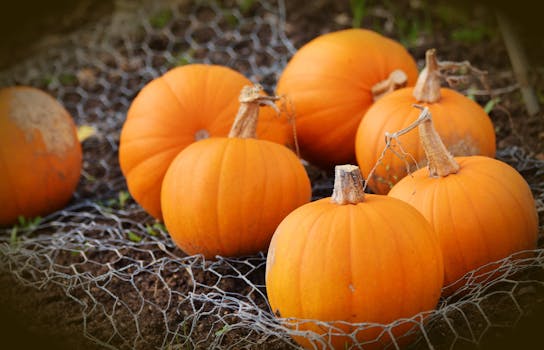
Free stock photo of food, vegetables, pumpkin, pasture
   Pumpkin is a fruit but is consumed more as a vegetable, First grown in America, has spread to Europe, Asia. The pumpkin, the pumpkin, the pumpkin, are cucurbitaceae classified in the large family of squash, a vast genus including many species and varieties with multiple shapes, colors and textures. Pumpkin is more commonly consumed in North America and pumpkin in Europe. Its seeds and flesh are usually eaten.


                                   The benefits and components of the pumpkin

      Pumpkin is rich in potassium, manganese and vitamin A, it also contains an interesting amount of vitamin C, folic acid, pantothenic acid, copper and various molecules beneficial to health: alkaloids, flavonoids, linoleic acids , oleic, palmitic. Powerful antioxidants, gives them an interesting power in the prevention of several diseases such as diabetes, cardiovascular diseases and some cancers. Pumpkin is a source of fiber that is often overlooked, but low in calories, it can help you feel full longer with fewer calories.
     Lower risk of developing cataracts would also have been noted in people who regularly consumed lutein and zeaxanthin, and in a clinical trial women who had consumed large amounts of this mineral salt in their daily diets had less depressive problems and pelvic pain. Pumpkin seeds are rich in protein. They also contain valuable amounts of essential fatty acids (linoleic acid) and vitamin E, known for its antioxidant properties.

    Main components of the pumpkin


Pumpkin


    Energy (kCal)
  34
    Protéins (g)
 1,1
   Lipids (g)
 0,28
   Assimilable             
 5,19
  Total dietary fibers     (g)      
 2,9
    Bêta-carotene (mg)
 6940
   Alpha-carotene (mg)
 4795
   Vitamin B9 (mg)
  12
   Vitamin B3 (mg)
  0,367
   Vitamin B5 (mg)
  0,4
   Vitamin B2 (mg)
  0,054
   Vitamin B1 (mg)
  0,024
   Vitamin B6 (mg)
  0,056
   Vitamin C (mg)
  4,2
   Vitamin K (mg)
  16
   Vitamin E (mg)
  1,06
   Calcium (mg)
  26
   Iron (mg)
  1,39
   Magnesium (mg)
  23
   Phosphorus (mg)
  35
   Potassium (mg)
  206
   Sodium (mg)
   5
   Zinc (mg)
  0,17
   Copper (mg)
  0,107
   Manganese (mg)
  0,149
   Selenium (mg)
  0,4


Pumpkin seed:
Cyclic amino acid: 3-amino-3-carboxypyrrolidine (0.4 to 0.8%)
• delta-7-sterol glucosides: glucoside of spinasterol and its derivatives, clerosterol, isofucosterol, stigmasterol, campesterol, beta-sitosterol, etc.
• Squalene
• Cucurbitacins in the peduncle of the fruit
Pumpkin seed oil:
• Alpha linoleic acid Omega 3: 0%
• Omega 6 linoleic acid: 45%
• Oleic acid: 10-50%

   CONCLUSION
1. Its seeds are good for the prostate ...
2. It reduces the risk of cancer
3. It protects the eyes from aging
4. It increases little blood sugar
5. It has antimicrobial properties
6. It promotes the immune and pulmonary system


Alors, pourquoi ne pas en mettre dans votre assiette? Voir Recette !


Read More »

The nutritional and health value of GREEN BEANS

     
     Green beans are recommended in our diet, yet they are perfect for our health. They have become masters of our plates, his qualities in terms of nutrition have mainly given him the title of master of our meals in addition to its delicious taste. Green beans are slimming foods that quickly fill the feeling of hunger, rich in fiber and mineral salts, low in calories, easy to prepare. They are beneficial for your heart and other body organs.

Nutritional composition of green beans
     For each nutrient, the tables provide information on the average quantity * as well as the minimum and maximum quantities * per 100 g net of cooked green beans.
Components
Qty
Min - Max
Water
89.3 g
89.2 - 89.5 g
Protein
2 g
1.31 - NC g
Lipids
0.17 g
0.14 - 0.28 g
Saturated fatty acids
0.042 g
-
Carbohydrates
3 g
-
Sugar
1 g
NC - 1.55 g
Fibers
4 g
3.2 - NC g

Vitamins
Qty
Min - Max
Provitamin A Beta carotene
137 µg
NC - 420 µg
Vitamin A Equivalent
22.83 µg
NC - 70 µg
Vitamin B1
0.05 mg
NC - 0.074 mg
Vitamin B2
0.08 mg
NC - 0.097 mg
Vitamin B3
0.34 mg
NC - 0.61 mg
Vitamin B5
0.05 mg
NC - 0.074 mg
Vitamin B6
0.05 mg
NC - 0.056 mg
Vitamin B9
33 µg
-
Vitamin C
5 mg
NC - 9.7 mg
Vitamin E
0.45 mg
0.1 - NC mg

Minerals and trace elements
Qty
Min - Max
Calcium
55.3 mg
28 - 73.7 mg
Copper
0.081 mg
0.029 - 0.15 mg
Iron
0.6 mg
0.1 - 1.11 mg
Iodine
5 µg
-
Magnesium
22.3 mg
7 - 34.7 mg
Manganese
0.19 mg
0.1 - 0.58 mg
Phosphorus
36 mg
19 - 42 mg
Potassium
174 mg
56 - 250 mg
Selenium
10 µg
-
Sodium
5.8 mg
0 - NC mg
Zinc
0.2 mg
0.1 - 0.38 mg


The benefits of beans

• Decrease the effects of menopause.
• Reduce the risk of colon cancer.
• Protect your joints.
• Contain fibers that protect your heart.
• Improve bone density.
• Promote transit
• Losing weight
• facilitate the control of type II diabetes
• Contribute to the prevention of cardiovascular disease
• better satisfy the appetite by quickly causing the feeling of satiety.


How to succeed perfectly cooking green beans?
     As you can see, cooked beans are preferable to canned ones. Even if you have the laziness to cook them think about all the nutrients you will lose, on the other hand, in cooking there is a way to do it: it is better to cook them with steam rather than directly in the water. Essential nutrients tend to migrate beans to cooking water. Do not let them escape and steam them you will not regret it.


Contraindication

      Any excess is harmful and green beans would not be an exception. If we consume a lot with the combination of a carbohydrate badly assimilated by our body (raffinose) it can ferment in our colon and cause flatulence.


                                            ------------------------------------------------
Read More »